Huda Sha’arawi, Syrian Actress, Keeps Worker as a Slave
Huda Sha’arawi physically abused her Ghanaian domestic worker for 3 years, denied her contact with the outside world, and sent her home thousands of dollars short.
worker
RZ
Employer
Huda Sha’arawi
THE VIDEO
See who Huda Sha'arawi really is.
THE STORY
Fast facts:
- Huda Sha’arawi kept a Ghanaian domestic worker, RZ, in forced labor for three years.
- RZ was denied contact with her children, unpaid, and subjected to physical abuse.
- She returned to Ghana with $2,600 in unpaid wages.
- After being confronted, Sha’arawi accused her of theft.
- There is a new victim in Huda’s house.
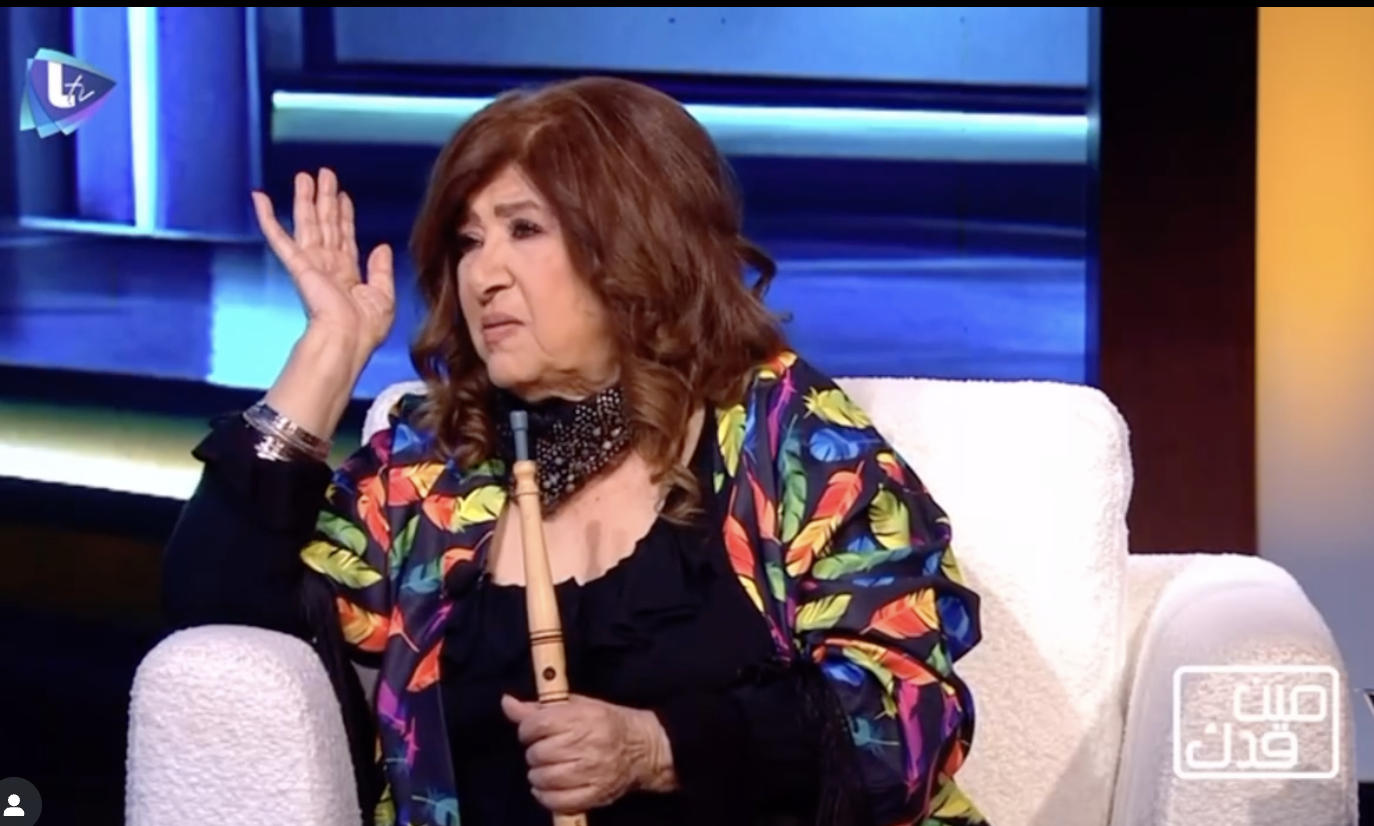
For decades, Syrian actress Huda Sha’arawi, born in 1938 and widely recognized for her role as Im Ziki in Bab Al Hara, cultivated a public image of piety and compassion. Off-screen, however, she is now at the center of a disturbing case alleging forced labor, abuse, and the enslavement of an African domestic worker under Syria’s Kafala system.
A Disappearance — and a Family’s Search
On 16 December 2022, RZ, a Ghanaian mother of two, began working in Sha’arawi’s home. A year later, her family contacted This Is Lebanon (TIL) after hearing nothing from her for seven months and receiving only $400 in remittances.
In December 2023, a negotiator called Sha’arawi and a man identifying himself as Ahmad, claiming to be Sha’arawi’s son, replied. He admitted they were withholding RZ’s salary because she had once left the house for a few hours. He said she would be paid only when she traveled. He also claimed her phone had been confiscated by the recruitment office. Ahmad told the negotiator that they were not happy with RZ and would send her home at the end of her first year.
Contradictions and Lies
On 19 January 2024, the negotiator spoke to Sha’arawi who said RZ’s contract was for three years, but she would keep her for only two because she was “driving her crazy.” She claimed that RZ had spoken with her family that same day.
It wasn’t true.
Following pressure on the agency, RZ was allowed a supervised 5–6 minute call, forced to speak in English, a language her young children do not understand. Her sister reported that she sounded frightened and unable to speak freely.
Efforts to reach members of Sha’arawi’s family through intermediaries, and even a private investigator, failed.
Escalating Abuse and Excuses
Through 2024 and into 2025, the negotiator made near-daily efforts to secure contact, payment, or repatriation. Huda repeatedly shifted explanations:
- Claiming RZ had stolen her phone and was secretly calling her family
- Claiming Immigration offices were closed when they were not
- Claiming she could not send her home until “a replacement arrived”
Each time, she refused to remit RZ’s salary or permit communication with her family.
Isolation and Coercion
In November 2025, RZ’s sister reported she had been moved to the home of lawyer Baraa El Masri, identified as a friend of Ahmad. There, a case worker from This Is Lebanon was finally able to speak to her. She said she had been forced to sign a document stating she had received her full salary from Sha’arawi—though at that stage she had received none. And in a final injustice, she was made to work for El Masri for free.
Three days later, on 24 November 2025, she finally left Syria.
RZ’s Testimony
During an extended call with her case worker on 28 November 2025, when she was back in Ghana, RZ described:
- Daily beatings, sometimes by Huda, sometimes by the family driver, Amir
- Physical abuse from Ahmad
- Total isolation from her children for nearly three years
- Being sent home with $3,600 – far short of the $6,200 she was owed
She also said she tried to warn the new worker , Vicky from Uganda, but was prevented from approaching her. “She will surely be beaten,” she warned.
She had a video of the new worker:
A False Accusation of Theft
On 15 December 2025, after being sent a video outlining the abuse allegations, Sha’arawi responded by accusing RZ of stealing $10,000—a claim not raised at any point during the three-year ordeal. She further claimed RZ had confessed to the theft in prison, and threatened legal action against both RZ and TIL, saying she had “evidence” but providing none.
TIL’s last message to her was, “If you don’t reply, we will have no option but to post. You can write in the comments that she stole. Maybe someone will believe you, but we believe that everyone will support RZ. And you will end up dying with your reputation destroyed. Is that what you want? You will stand before God soon so think about that.”
Huda’s last message to us: “I have a policeman who is a witness to my words and I will lodge a complaint against you, her, her sister and her partners and the owner of the agency.”
We were preparing this article and the social media posts - fact-checking, translating when….
30 January 2026 we received news that Huda had been murdered the day before and RZ’s replacement was accused. When we contacted RZ to inform her she said, “Oh God. Without your help, that could have been me. Thank you. If not for you, I would be the one in prison now. No money, no anything. Huda and Ahmad were very wicked to me. They never wanted to pay me. Oh God. It still hurts.”
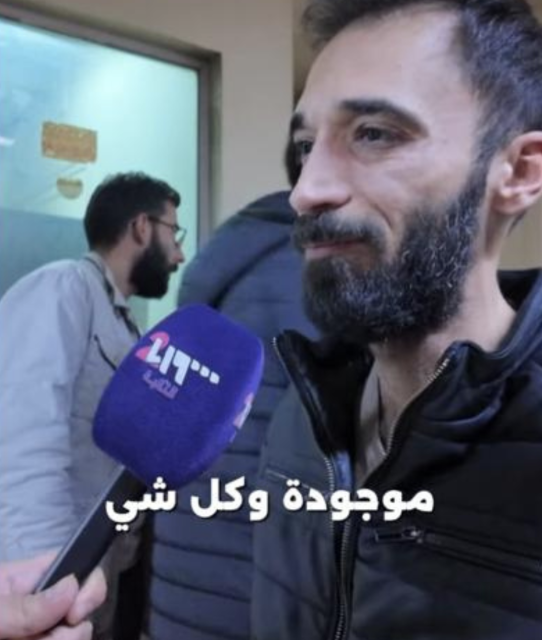
She also gave us new info: she had run to the police station for help in her first year but after 3 days the police returned her to Huda’s house. This is the kafala system - both in Syria and Lebanon, abused domestic workers who seek help are returned to their employers, like lost property.
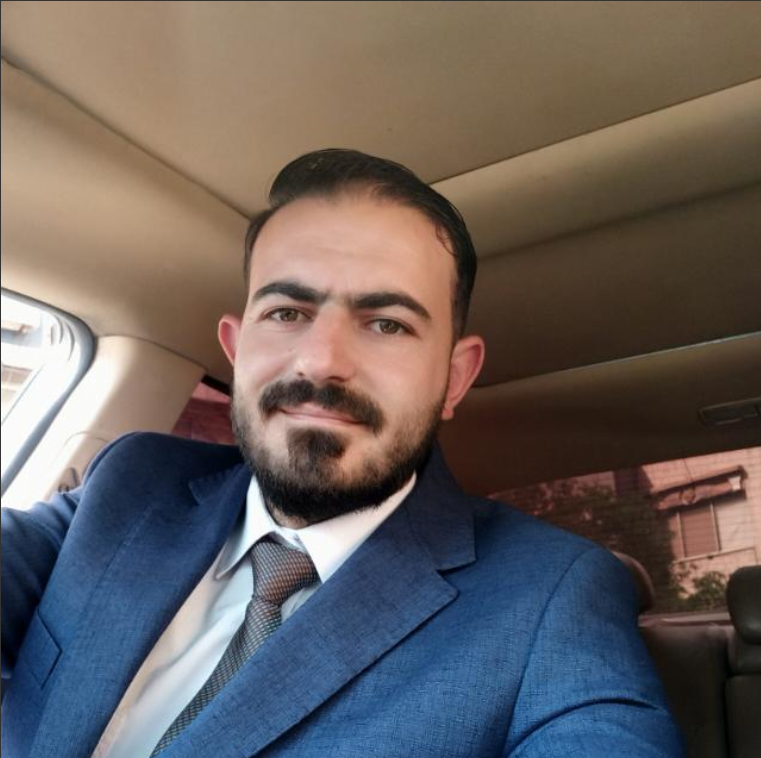
Finally, also, we were able to get a pic of Ahmad. RZ sent it to us, writing, “This is the grandson, Ahmad. He is very wicked.”
****
This Is Lebanon was established in 2017 with the aim of working towards abolishing the kafala system in Lebanon. Our goal has been to raise awareness about the dangers of the kafala system by exposing the horrific conditions under which migrant domestic workers live and the perpetrators of abuse as well as advocating with and on behalf of migrant domestic workers. Ultimately, This Is Lebanon gives a voice to workers and encourages witnesses of abuse to come forward.
Kafala (the Arabic word for sponsorship) refers to the set of regulations and administrative practices used to sponsor and employ migrant workers in Lebanon, mostly women from African and Asian countries working for private households. Domestic workers are excluded from Lebanese labor law and lack basic protections. The kafala system protects abusers and denies domestic workers of basic human rights. The high degree of control over workers’ rights provided by the kafala system has led to cases of modern slavery, human trafficking, and exploitation.
Meet The People
“She will surely be beaten.” - RZ (about the new worker)
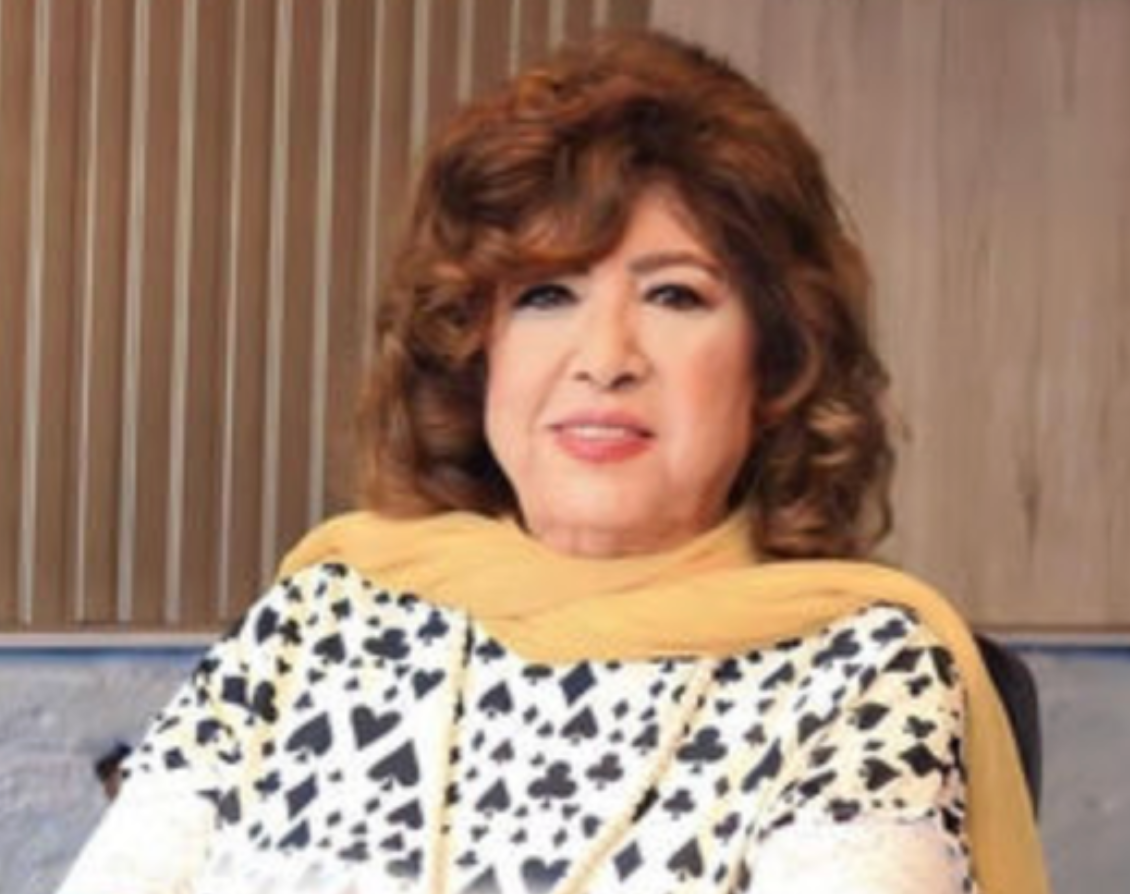
Huda Sha’arawi
Ahmad
Baraa El Masri

RZ
TAKE ACTION
We can't do this alone. We need your help! Join us in this fight.
Share the Story
Tell others about this. Join us in the fight to ensure that people like Hoda are brought to justice.
Join Our Work
We need your help to continue our efforts in fighting for RZ and others like her.
Get the Updates
Get the updates straight into your inbox so you don't miss any part of the story.
COMMENTS
القصة
حقائق سريعة
● أبقت هدى شعراوي عاملة منزلية غانية تدعى RZ في العمل القسري لمدة ثلاث سنوات.
● مُنعت (RZ) من التواصل مع أطفالها، ولم تحصل على أجر، وتعرضت للإيذاء الجسدي.
● عادت إلى غانا ومعها 2600 دولار من الأجور غير المدفوعة .
● وبعد مواجهتها، اتهمتها شعراوي بالسرقة.
● هناك ضحية جديدة في منزل هدى.
لعقود طويلة، رسّخت الممثلة السورية هدى شعراوي، المولودة عام 1938 والمعروفة بدورها في مسلسل "باب الحارة" بشخصية إم زيكي ، صورةً عامةً لها تتسم بالتقوى والرحمة. إلا أنها باتت اليوم، خارج الشاشة، محور قضيةٍ مُقلقةٍ تُتهم فيها عاملة منزلية أفريقية بالعمل القسري، وسوء المعاملة، والاستعباد، وذلك في إطار نظام الكفالة السوري.
اختفاء - وبحث عائلة
في 16 ديسمبر 2022، بدأت آر زد ، وهي أم غانية لطفلين، العمل في منزل شعراوي. وبعد عام، تواصلت عائلتها مع منظمة "هذا لبنان" (TIL) بعد انقطاع أخبارها لمدة سبعة أشهر، وتلقيها 400 دولار فقط كتحويلات مالية.
في ديسمبر 2023، اتصل مفاوض بشعراوي، فأجابه رجل عرّف نفسه باسم أحمد، مدعيًا أنه ابن شعراوي. اعترف أحمد بأنهم يحجبون راتب ر.ز. لأنها غادرت المنزل لبضع ساعات ذات مرة، وقال إنها لن تتقاضى راتبها إلا عند سفرها. كما ادعى أن مكتب التوظيف صادر هاتفها. وأخبر أحمد المفاوض أنهم غير راضين عن أداء ر.ز. وأنهم سيرسلونها إلى بلدها في نهاية عامها الأول.
التناقضات والأكاذيب
في 19 يناير 2024، تحدثت المفاوضة مع شعراوي التي قالت إن عقد ر.ز. كان لمدة ثلاث سنوات، لكنها ستبقيها لمدة سنتين فقط لأنها "تجعلها تجن". وادعت أن ر.ز. تحدثت مع عائلتها في نفس اليوم.
لم يكن ذلك صحيحاً.
بعد الضغط على الوكالة، سُمح لـ RZ بإجراء مكالمة تحت الإشراف لمدة 5-6 دقائق. أُجبرت على التحدث باللغة الإنجليزية، وهي لغة لا يفهمها أطفالها الصغار. وذكرت أختها أنها بدت خائفة وغير قادرة على التحدث بحرية.
فشلت الجهود المبذولة للوصول إلى أفراد عائلة شعراوي من خلال الوسطاء، وحتى من خلال محقق خاص.
تصاعد الإساءة والأعذار
خلال عامي 2024 و2025، بذلت المفاوضة جهوداً شبه يومية لتأمين التواصل أو الدفع أو إعادة العاملة الى وطنها
. وقد غيّرت هدى تفسيراتها مراراً وتكراراً.
● زعمت أن آر زد سرق هاتفها وكان يتصل سراً بعائلتها
● الادعاء بأن مكاتب الهجرة كانت مغلقة بينما لم تكن كذلك
● زعمت أنها لا تستطيع إعادتها إلى منزلها حتى "تصل بديلة".
في كل مرة، كانت ترفض تحويل راتب RZ أو السماح بالتواصل مع عائلتها.
العزلة والإكراه
في تشرين الثاني 2025، أبلغت شقيقة RZ أنها نُقلت إلى منزل المحامي براء المصري، الذي عُرّف بأنه صديق لأحمد. وهناك، تمكنت عاملة من منظمة “هذا لبنان” من التحدث معها أخيرًا. وقالت إنها أُجبرت على توقيع وثيقة تُفيد بأنها استلمت راتبها كاملًا من شعراوي، مع أنها لم تستلم شيئًا. وفي ظلمٍ مُطلق، أُجبرت على العمل لدى المصري مجانًا.
وبعد ثلاثة أيام، في 24 تشرين الثاني 2025، غادرت سوريا أخيراً.
شهادة RZ
خلال مكالمة مطولة مع أخصائية الحالة الخاصة بها في 28 نوفمبر 2025، عندما عادت إلى غانا، وصفت RZ ما يلي:
● الضرب اليومي، أحياناً على يد هدى، وأحياناً على يد سائق العائلة، أمير
● تعرض أحمد للاعتداء الجسدي
● عزلت نفسها تماماً عن أطفالها لمدة ثلاث سنوات تقريباً
● تم إرسالها إلى منزلها بمبلغ 3600 دولار فقط، وهو مبلغ أقل بكثير من المبلغ المستحق لها وقدره 6200 دولار.
وقالت أيضاً إنها حاولت تحذير العاملة الجديدة، فيكي من أوغندا، لكن مُنعت من الاقتراب منها.
وحذرتها قائلة: " ستتعرض للضرب لا محالة ".
كان لديها مقطع فيديو للعاملة الجديدة.
اتهامٌ كاذبٌ بالسرقة
في 15 كانون الأول 2025، وبعد أن أُرسِل إليها مقطع فيديو يوضح مزاعم الإساءة، ردّت شعاراوي باتهام RZ بسرقة مبلغ 10,000 دولار، وهو ادعاء لم يُطرح في أي مرحلة خلال المعاناة التي استمرت ثلاث سنوات. وادّعت كذلك أن RZ اعترفت بالسرقة داخل السجن، وهدّدت باتخاذ إجراءات قانونية ضد كلٍّ من RZ ومنظمة “هذا لبنان”، قائلة إن لديها «أدلة» من دون أن تقدّم أيًّا منها.
وكانت آخر رسالة وجّهتها منظمة “هذا لبنان” إليها: «إذا لم تردّي، فلن يكون أمامنا خيار سوى النشر. يمكنكِ أن تكتبي في التعليقات أنها سرقت. ربما يصدّقكِ أحد، لكننا نعتقد أن الجميع سيدعم RZ. وستنتهين وقد دُمّرت سمعتك. هل هذا ما تريدينه؟ ستقفين قريبًا أمام الله، ففكّري في ذلك».
وجاءت آخر رسالة من هدى إلينا بالقول: "عندي ضابط شرطة بثبت كلامي ورح اشتكي عليكي وعليها وكل الشركاء اختها وصاحب المكتب وكل الشركاء".
وبدأنا التحضير لهذا المقال والمنشورات على وسائل التواصل الاجتماعي، من تدقيق للوقائع وترجمة، عندما…
وفي 30 كانون الثاني 2026، تلقّينا خبر مقتل هدى في اليوم السابق، وتوجيه الاتهام إلى بديلة RZ. وعندما تواصلنا مع RZ لإبلاغها، قالت: «يا الله. لولا مساعدتكم لكنتُ أنا. شكرًا لكم. لولاكم لكنتُ الآن في السجن. بلا مال، بلا أي شيء. كانت هدى وأحمد قاسيين جدًّا معي. لم يريدا يومًا أن يدفعا لي. يا الله. ما زال الألم يؤلمني».
********
العاملة اطلعت على هذا المقال وأكّدت صحة المعلومات الواردة فيه، وطلبت نشر قصتها.
حول منظمة "This Is Lebanon"
تأسست منظمة "This Is Lebanon" عام ٢٠١٧ بهدف العمل على إلغاء نظام الكفالة في لبنان. وتسعى المنظمة إلى تسليط الضوء على مخاطر هذا النظام من خلال فضح الظروف المروعة التي تعيشها العاملات المنزليات المهاجرات، وكشف هوية المعتدين، إضافةً إلى مناصرة حقوق العاملات والدفاع عنهن. وفي نهاية المطاف، تعمل المنظمة على إيصال صوت العاملات وتشجيع الشهود على التبليغ عن الانتهاكات.
ما هو نظام الكفالة؟
نظام الكفالة هو مجموعة من القوانين والممارسات الإدارية التي تُستخدم لرعاية وتشغيل العمال المهاجرين في لبنان، وغالبًا ما تكون النساء من دول إفريقية وآسيوية يعملن في المنازل. تُستثنى العاملات المنزليات من قانون العمل اللبناني، وبالتالي يفتقرن إلى الحماية القانونية الأساسية. يوفر نظام الكفالة غطاءً قانونياً للمعتدين ويحرم العاملات من أبسط حقوق الإنسان. وقد أدى التحكم الكبير الذي يمنحه النظام لصاحب العمل إلى انتشار حالات من العبودية الحديثة والاتجار بالبشر والاستغلال.
