
Tesfanesh Jumps from 8th Floor of Sex Abuser’s House.
Ethiopian domestic worker Tesfanesh Abayneh Atoma died after jumping from her employer’s eighth-floor home in Beirut amid allegations of abuse, isolation, unpaid wages, and institutional negligence, raising serious questions about accountability under Lebanon’s kafala system.
Worker
Tesfanesh Abayneh
Employer
Ali Assaad Abdelsater
THE VIDEO
Trigger warning - disturbing footage.
THE STORY
This Is Lebanon first became aware of the death of Ethiopian domestic worker Tesfanesh Abayneh Atoma after receiving a link to a video circulating on social media. The footage showed Tesfanesh jumping from the eighth floor of her employer’s home in Ain El Roumaneh, Beirut.
The comments beneath the video reflected both outrage and racism. Some users asked the most obvious questions: “What did they do to make her commit suicide?” “Why did it reach this stage?” Others responded with racist tropes, writing comments such as, “Ethiopians bring madness and pain,” and “They must have exhausted her with the dishes.”
In countries where migrant domestic workers are protected by law, her death would trigger a serious criminal investigation. Instead, Lebanon’s official response followed a familiar script: a cursory investigation, a recorded “suicide,” and no meaningful accountability.
This Is Lebanon decided to investigate what the state did not.
The Employer
Tesfanesh was employed by Ali Assaad Abdelsater, who lives with his wife Sanaa. The couple have seven adult children, aged between 28 and 40. It is unclear which family members live in the home, though it has been confirmed that at least one of the sons was present on the day of Tesfanesh’s death.
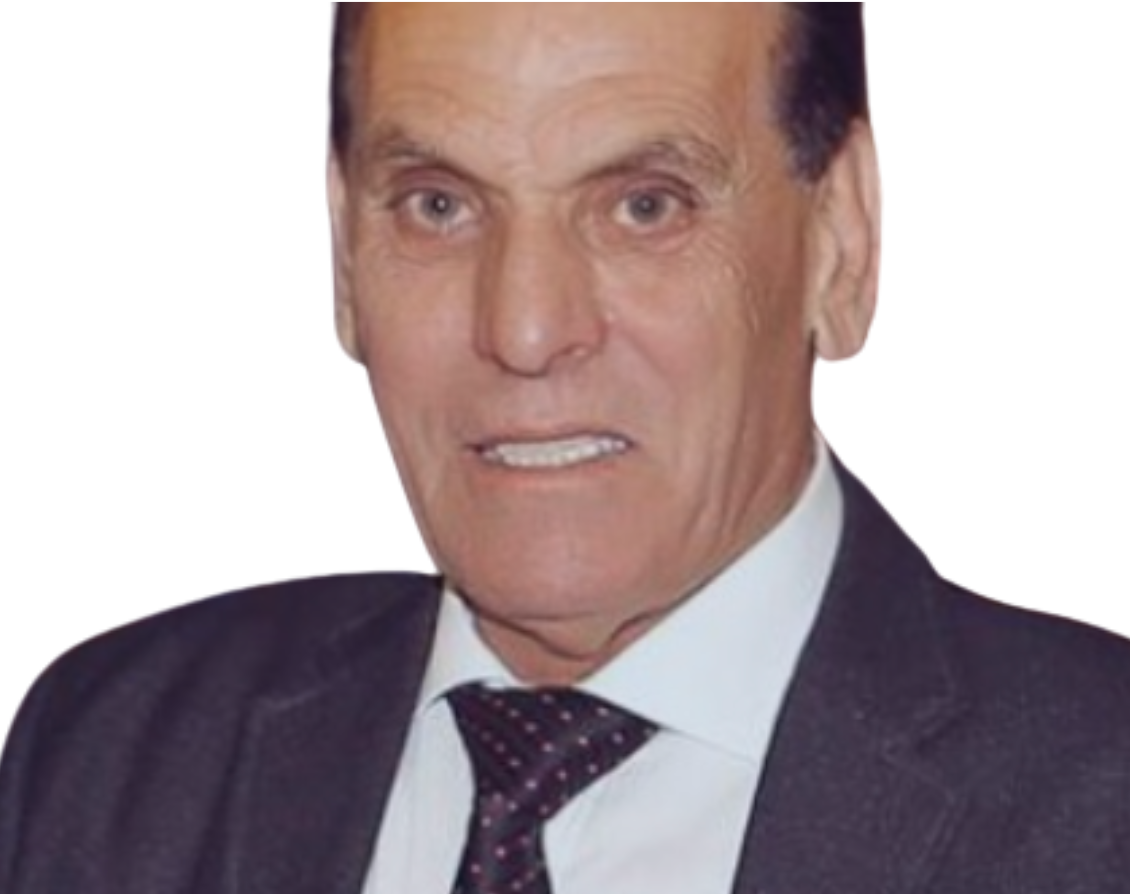
The family originates from the Baalbek region. Ali Abdelsater is the owner of Al Bayan Schools. More about him and allegations of his sexual predation later.
Tesfanesh’s Arrival in Lebanon
According to information provided by the Ethiopian consulate, Tesfanesh arrived in Lebanon on May 14, 2024, meaning she had been in the household for just under one year at the time of her death.
Three days after arriving, she called her family in Ethiopia using a phone her family had purchased for her before departure. She told them the house “felt good.”
That initial optimism did not last.
Confiscation, Abuse, and Isolation
Tesfanesh’s second call came three months later. She told her sister she was “okay,” but revealed that her phone had been confiscated by her employers. She was told it would be returned at the end of her fourth month. During this call, she informed her family that a salary payment had been transferred.
At the end of her fifth month, she called again to report a second salary transfer. This time, she said she was unhappy. Her phone had still not been returned, and she was being mistreated.
The fourth call was made from the agent’s office. Tesfanesh told her sister that her female employer had been beating her. She refused to return to the house and warned her family that if she did, “they will kill me.” Despite objections from the Ethiopian sending agent, Tesfanesh was forced back into the household.
One week later, Tesfanesh called again to say the situation had worsened. That was the last time her family ever heard from her.
In the months that followed, there were no calls, no messages, and no salary payments. Tesfanesh had been paid for only three of the twelve months she worked.
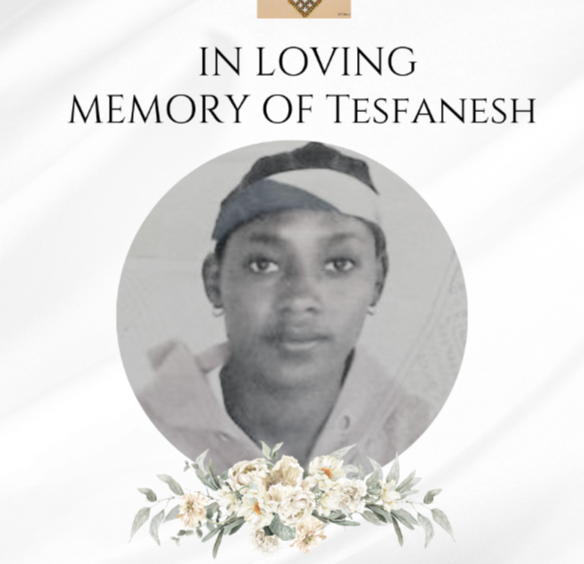
Notification of Death
On May 11, 2025, Tesfanesh’s family received a call from the sending agent informing them that she had “fallen” and died.
Her body was later returned to Ethiopia, where she was buried. The family also received two medical reports—one in Arabic and one in English. According to the forensic report, the cause of death was:
“Cardiac arrest consecutive to falling from an altitude, which caused brain damage, severe hemorrhage, and fractures at the base of the brain and skull.”
Disturbing Allegations Against the Employer
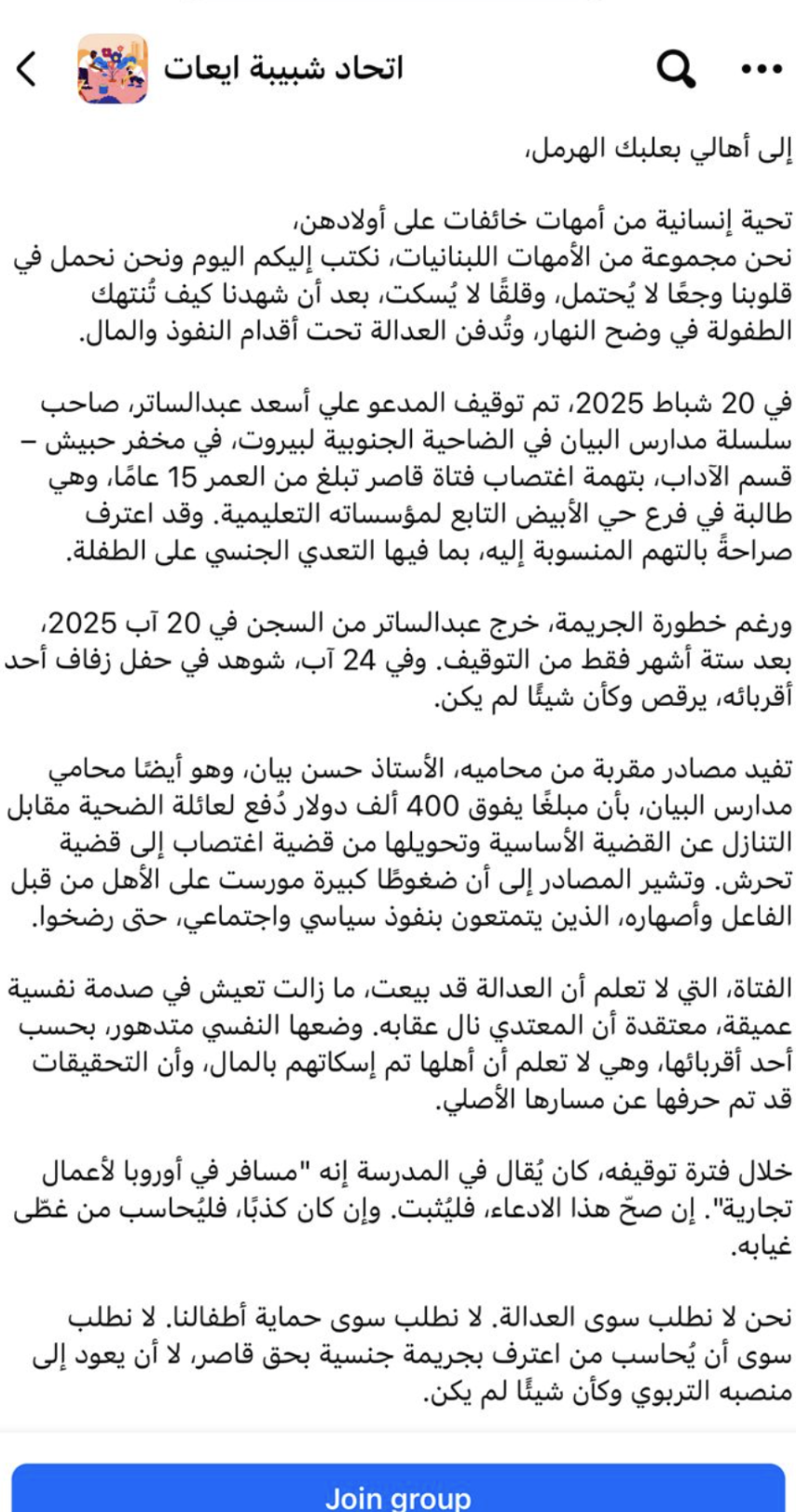
Questions arose after This Is Lebanon reviewed two now-deleted posts from a Facebook group called اتحاد شبيبة ايعات.
The first post, dated October 2025, alleged that on February 20, 2025, Ali Assaad Abdelsater was detained and taken to Hobbeich police station, accused of raping a 15-year-old student at one of his schools. According to the post, Abdelsater confessed to sexually abusing the minor.
Despite the gravity of the accusation, the post claims he was released on August 20, 2025, after six months in detention. Four days later, he was reportedly seen dancing at a relative’s wedding.
The post further alleged that more than $400,000 was paid to the victim’s family to change the complaint from rape to sexual harassment, and that political and social pressure was exerted on the family to comply. During his detention, school staff were allegedly told Abdelsater was traveling in Europe on business.
A second post, signed by the “Mothers of Lebanon,” condemned the Baalbek and Hermel community's silence and called for accountability, warning that protecting sexual predators amounts to collective betrayal.
What Happened on the Day of Her Death?
According to information received by This Is Lebanon, Ali Abdelsater was not present in the house on the day Tesfanesh died; he was reportedly in prison.
However, given his documented history as a sexual predator of minors, it is not unreasonable to question whether Tesfanesh may also have been subjected to sexual abuse. What is already known is sufficient to establish severe exploitation: unpaid wages, confiscation of her phone, total isolation, and physical abuse by her female employer.
Only Tesfanesh knew what drove her onto the balcony that fateful day.
Embassy Denied Access to her Phone
According to the agency, “The mobile data of the girl was included in the investigations with the translation from the embassy.” We contacted the embassy to ask if they were able to access her phone and if so, what they found. They replied that the sponsor had refused to hand over the phone and the police were “unable to exert pressure on the sponsor to bring the phone in.”
A Preventable Death
This Is Lebanon does not believe Tesfanesh intended to end her life.
Had Civil Defense responders sent an Ethiopian community leader or trained mediator to speak with her, instead of approaching her from the roof in a way that may have frightened her, the outcome might have been different. What reason did a terrified, abused young woman have to trust an unfamiliar Lebanese man advancing toward her at such a moment?
Civil Defense procedures must be urgently reviewed.
Tesfanesh Abayneh Atoma did not die because she was “crazy.” She died because Lebanon’s kafala system stripped her of protection, dignity, and hope—until there was nowhere left to run.
Her death was not inevitable. It was allowed.
This Is Lebanon advocates for a shift in investigation procedures, proposing that cases involving migrant workers’ deaths be treated with the seriousness of homicide when certain indicators are present—such as unpaid wages or lack of contact with family.
Meet The People
She refused to return to the house and warned her family that if she did, “they would kill me.”
Ali Assaad Abdelsater
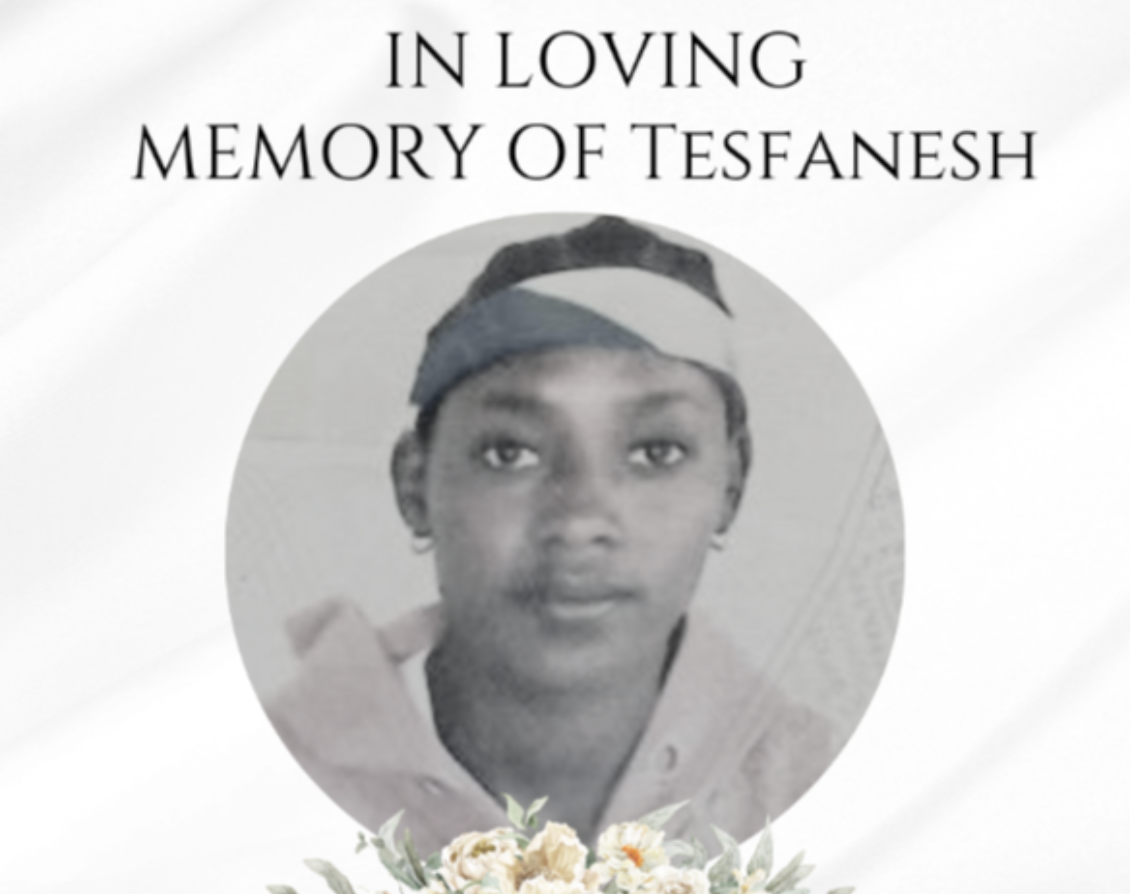
Tesfanesh Abayneh
TAKE ACTION
We can't do this alone. We need your help! Join us in this fight.
Share the Story
Tell others about this. Join us in the fight to ensure that Ali is brought to justice.
Join Our Work
We need your help to continue our efforts in fighting for Tesfanesh and others like her.
Get the Updates
Get the updates straight into your inbox so you don't miss any part of the story.
COMMENTS
القصة
كشفت منظمة "هذا لبنان" لأول مرة عن وفاة العاملة المنزلية الإثيوبية تسفانيش أباينه أتومـا بعد تلقيها رابطًا لمقطع فيديو متداول على وسائل التواصل الاجتماعي. وأظهر المقطع تسفانيش وهي تسقط من الطابق الثامن في منزل مخدوميها في عين الرمانة – بيروت.
عكست التعليقات أسفل الفيديو مزيجًا من الغضب والعنصرية. وطرح بعض المستخدمين الأسئلة الأكثر بداهة: «ماذا فعلوا بها لتُقدِم على الانتحار؟» و«كيف وصلت الأمور إلى هذا الحد؟». في المقابل، لجأ آخرون إلى خطاب عنصري، فكتبوا عبارات مثل: «الإثيوبيات يجلبن الجنون والألم»، و«لا بد أنهم أنهكوها بأعمال الجلي».
تستدعي وفاة كهذه، في الدول التي تحمي عمالة المنازل المهاجرة بالقانون، فتح تحقيق جنائي جدي. غير أن الرد الرسمي في لبنان اتبع سيناريو مألوفًا: تحقيق شكلي، وتسجيل الواقعة «انتحارًا»، وغياب أي مساءلة حقيقية.
قررت منظمة "هذا لبنان" التحقيق فيما تقاعست الدولة عن التحقيق فيه.
صاحب العمل
عملت تسفانيش لدى علي أسعد عبد الساتر، الذي يقيم مع زوجته سناء. وأنجب الزوجان سبعة أبناء بالغين تتراوح أعمارهم بين 28 و40 عامًا. ولا يتضح أيٌّ من أفراد الأسرة كان يقيم في المنزل، إلا أنه تأكد وجود أحد الأبناء على الأقل يوم وفاة تسفانيش.
تنحدر العائلة من منطقة بعلبك. ويملك علي عبد الساتر مدارس «البيان». وستُعرض لاحقًا معلومات إضافية عنه وعن مزاعم تتعلق بإفتراسات جنسية منسوبة إليه.
وصول تسفانيش إلى لبنان
أفادت معلومات قدّمتها القنصلية الإثيوبية بأن تسفانيش وصلت إلى لبنان في 14 أيار 2024، أي أنها كانت قد أمضت في المنزل أقل من عام عند وفاتها.
اتصلت بعائلتها في إثيوبيا بعد ثلاثة أيام من وصولها مستخدمة هاتفًا اشترته لها عائلتها قبل السفر، وأبلغتهم حينها أن المنزل «مريح».
لكن ذلك التفاؤل لم يدم.
مصادرة الهاتف والإساءة والعزل
جاء الاتصال الثاني بعد ثلاثة أشهر. وأخبرت شقيقتها بأنها «بخير»، لكنها كشفت أن أصحاب العمل صادروا هاتفها، ووعدوها بإعادته في نهاية شهرها الرابع. وخلال المكالمة، أبلغت عائلتها بتحويل راتبها.
عادت واتصلت في نهاية شهرها الخامس لتؤكد تحويل راتب ثانٍ، لكنها عبّرت هذه المرة عن تعاستها. ولم يكن هاتفها قد أُعيد، وكانت تتعرض لسوء المعاملة.
أُجري الاتصال الرابع من مكتب الوكيل. وأبلغت تسفانيش شقيقتها بأن صاحبة العمل كانت تضربها، ورفضت العودة إلى المنزل، محذّرة عائلتها من أنها «ستُقتل» إن عادت. وعلى الرغم من اعتراضات وكيل الإرسال، أُجبرت على الرجوع إلى المنزل.
بعد أسبوع واحد، اتصلت مجددًا لتقول إن الوضع ازداد سوءًا. وكان ذلك آخر اتصال تتلقاه عائلتها منها.
توقفت بعدها كل الاتصالات والرسائل وتحويلات الرواتب. ولم تتقاضَ تسفانيش سوى أجور ثلاثة أشهر من أصل اثني عشر شهرًا عملت خلالها.
الإبلاغ عن الوفاة
تلقت عائلة تسفانيش في 11 أيار 2025 اتصالًا من وكيل الإرسال أبلغهم فيه بأنها «سقطت» وتوفيت.
أُعيد جثمانها لاحقًا إلى إثيوبيا حيث دُفنت. كما تسلمت العائلة تقريرين طبيين، أحدهما بالعربية والآخر بالإنجليزية. وذكر التقرير الشرعي أن سبب الوفاة هو:
«توقف القلب نتيجة السقوط من علو، ما أدى إلى أذية دماغية ونزيف حاد وكسور في قاعدة الدماغ والجمجمة».
مزاعم مقلقة بحق صاحب العمل
طُرحت تساؤلات بعد مراجعة منظمة "هذا لبنان" لمنشورين حُذفا لاحقًا من مجموعة فيسبوك تُدعى «اتحاد شبيبة إيعات».
ادّعى المنشور الأول، المؤرخ في تشرين الأول 2025، أن علي أسعد عبد الساتر أُوقف في 20 شباط 2025 واقتيد إلى مخفر حبيش بتهمة اغتصاب طالبة تبلغ من العمر 15 عامًا في إحدى مدارسه، وأنه اعترف بالاعتداء الجنسي على القاصر.
وبحسب المنشور، أُفرج عنه في 20 آب 2025 بعد ستة أشهر من التوقيف، وشوهد بعد أربعة أيام يرقص في حفل زفاف أحد أقاربه.
وزعم المنشور كذلك دفع أكثر من 400 ألف دولار لعائلة الضحية لتغيير الشكوى من اغتصاب إلى تحرّش جنسي، مع ممارسة ضغوط سياسية واجتماعية لإجبار العائلة على القبول. وخلال فترة التوقيف، قيل لموظفي المدرسة إن عبد الساتر كان مسافرًا إلى أوروبا لأعمال تجارية.
دان منشور ثانٍ، موقّع باسم «أمهات لبنان»، صمت مجتمع بعلبك–الهرمل، ودعا إلى المحاسبة، محذرًا من أن حماية المعتدين الجنسيين ترقى إلى خيانة جماعية.
ماذا حدث يوم وفاتها؟
أفادت معلومات تلقتها منظمة "هذا لبنان" بأن علي عبد الساتر لم يكن موجودًا في المنزل يوم وفاة تسفانيش، إذ كان – بحسب التقارير – في السجن.
ومع ذلك، وبالنظر إلى سجله الموثق كمعتدٍ جنسي على قاصرين، يبقى التساؤل مشروعًا حول احتمال تعرض تسفانيش أيضًا لاعتداءات جنسية. وما هو ثابت يكفي لإثبات استغلال جسيم: أجور غير مدفوعة، ومصادرة الهاتف، وعزل تام، وضرب من صاحبة العمل.
لم تكن تعلم حقيقة ما دفعها إلى الشرفة في ذلك اليوم المشؤوم سوى تسفانيش نفسها.
منع السفارة من الوصول إلى هاتفها
وفقًا لما ذكرته الوكالة: «تم تضمين بيانات الهاتف المحمول للفتاة ضمن التحقيقات، مع ترجمتها عبر السفارة». تواصلنا مع السفارة للاستفسار عمّا إذا كانت قد تمكنت من الوصول إلى هاتفها، وإن كان الأمر كذلك فما الذي توصلت إليه. وجاء ردّهم بأن الكفيل رفض تسليم الهاتف، وأن الشرطة كانت «غير قادرة على ممارسة الضغط على الكفيل لإحضار الهاتف».
وفاة كان يمكن تفاديها
لا تعتقد منظمة "هذا لبنان" أن تسفانيش كانت تنوي إنهاء حياتها.
ولو أرسل عناصر الدفاع المدني قائدًا من الجالية الإثيوبية أو وسيطًا مدرّبًا للتحدث معها، بدل الاقتراب منها من سطح المبنى بطريقة قد تكون أخافتها، لربما اختلفت النتيجة. فأي سبب يدفع شابة مذعورة ومعنَّفة إلى الثقة برجل لبناني غريب يتقدم نحوها في تلك اللحظة؟
تستوجب إجراءات الدفاع المدني مراجعة عاجلة.
لم تمت تسفانيش أباينه أتومـا لأنها «مجنونة». بل توفيت لأن نظام الكفالة في لبنان جرّدها من الحماية والكرامة والأمل، إلى أن لم يبقَ أمامها أي ملاذ.
لم تكن وفاتها حتمية. بل سُمِح بحدوثها.
تدعو منظمة "هذا لبنان" إلى تغيير منهجية التحقيق، وتقترح التعامل مع وفيات العمال المهاجرين بجدية قضايا القتل عندما تتوافر مؤشرات معينة، مثل عدم دفع الأجور أو انقطاع التواصل مع العائلة.